
The publication of the Independent Inquiry into White Working Class Educational Outcomes brings renewed focus to one of the most persistent challenges in the English education system.
The report sets out a stark picture. White British pupils from disadvantaged backgrounds continue to experience some of the weakest educational outcomes in the country, with gaps emerging early and widening over time. By the end of secondary school, just over a third of pupils eligible for free school meals achieve a pass in English and Maths, compared with nearly three quarters of their peers.
However, the Inquiry is clear that this is not simply a question of aspiration or individual effort. Instead, it reflects a wider pattern of disengagement, shaped by how education is experienced by young people and their families. Many feel that the system is not designed for them, that what they are learning lacks relevance to their lives, and that the link between education and future opportunity has weakened.
At its heart, this is a question of belonging.
Making education feel relevant and meaningful
A central finding of the report is that too many young people struggle to see the point of what they are learning. In secondary school in particular, the curriculum can feel disconnected from their experiences, interests and expectations for the future. Over time, this disconnect contributes to declining engagement, attendance and confidence.
The Inquiry highlights the importance of making education more relevant. This is not about lowering expectations, but about helping young people understand why their learning matters and how it connects to the wider world.
This is where subjects like Classics can play a distinctive role.
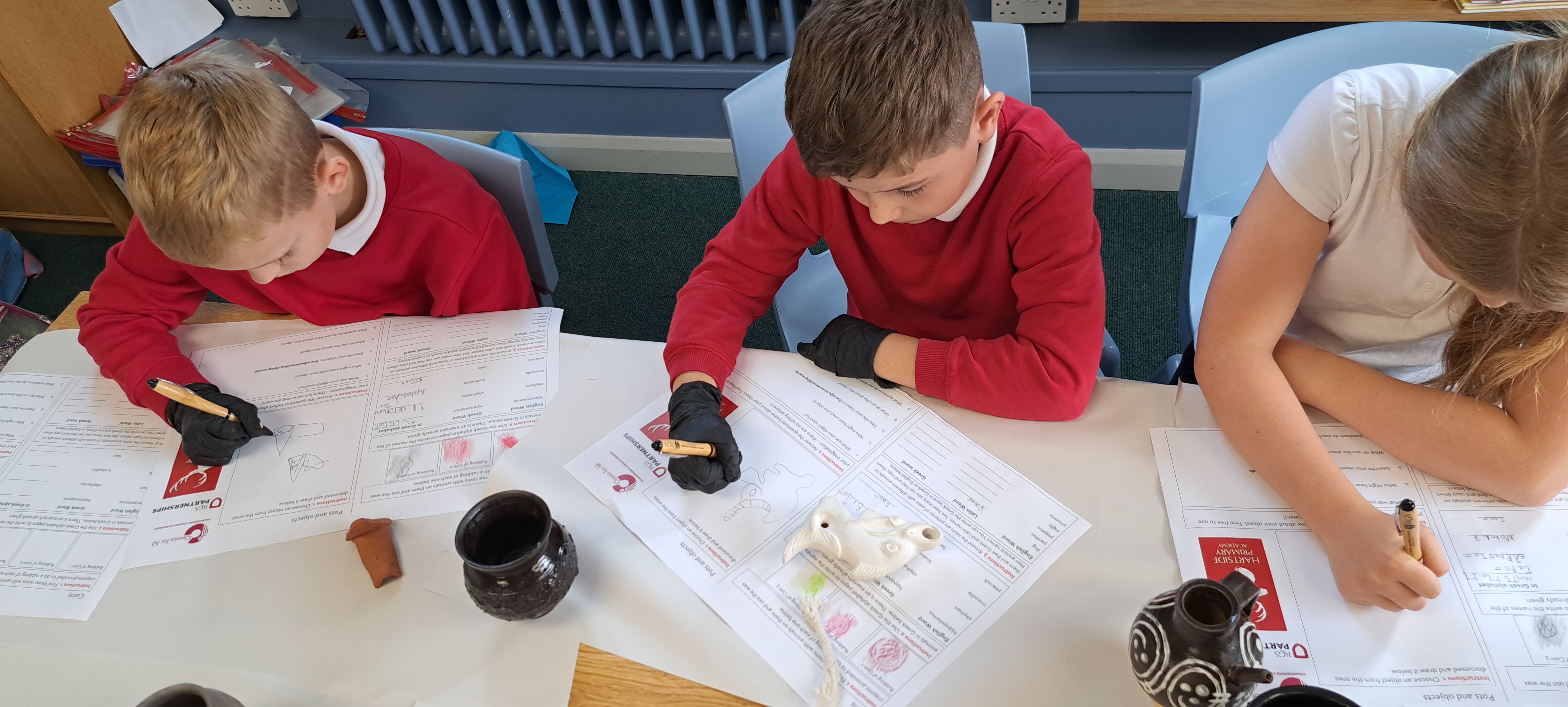
Across the schools supported by Classics for All, pupils are introduced to literature, history, philosophy and culture that explore fundamental questions about society, identity and human experience. For many, this is their first encounter with a subject that invites discussion, debate and interpretation, rather than simply the recall of facts.
In classrooms across the country, teachers report that this can be transformative for engagement. At Hartside Primary Academy in Crook, County Durham, the teacher noted that boys who had previously struggled to engage with reading became deeply absorbed in stories from the ancient world, with some choosing to buy and read adapted versions of the Odyssey independently.
While this is only one example, it illustrates a wider point made by the Inquiry: when learning feels meaningful and engaging, young people respond.
Supporting engagement through Key Stage 3
The report identifies Key Stage 3 as a critical pressure point, where many pupils begin to disengage more significantly from education. Strengthening the experience of these early secondary years, both academically and socially, is therefore essential.
Schools working with Classics for All are increasingly using classical subjects within Key Stage 3 to support this engagement.
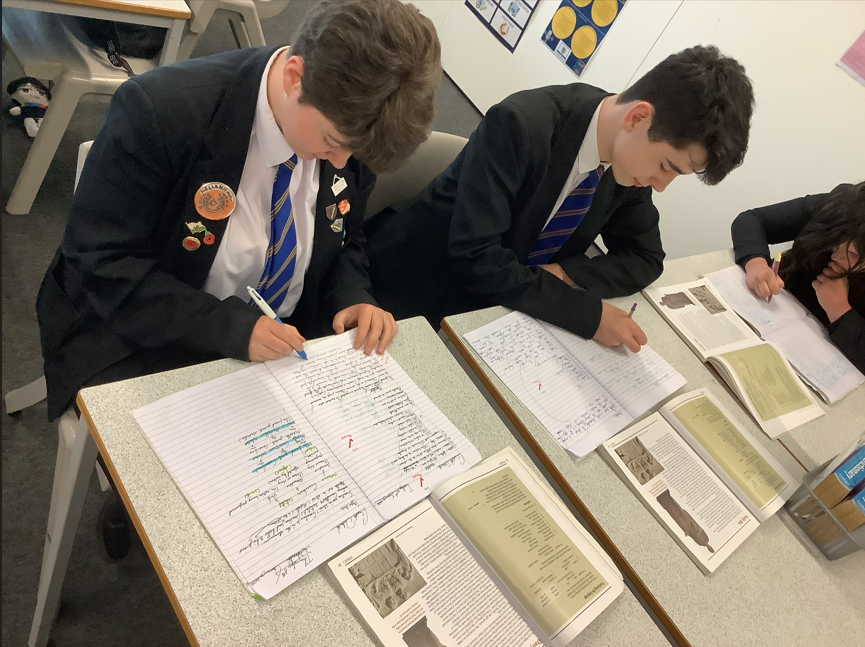
At Caldicot School in South Wales, for example, Latin has been introduced to more than 200 pupils across Key Stage 3. Students have responded with high levels of enthusiasm, with many choosing to continue their engagement through clubs, competitions and wider cultural activities beyond the classroom.
This combination of curriculum and enrichment is important. The Inquiry emphasises that access to wider cultural and extracurricular opportunities is not an optional extra, but a key driver of belonging, motivation and confidence. Where young people feel successful and engaged, they are more likely to stay connected to education over time.
Building confidence and opening pathways
The challenge outlined in the Inquiry does not end at age 16. Many young people leave compulsory education without a clear sense of direction or confidence in the pathways available to them.
Work in further education highlights how this can be addressed.
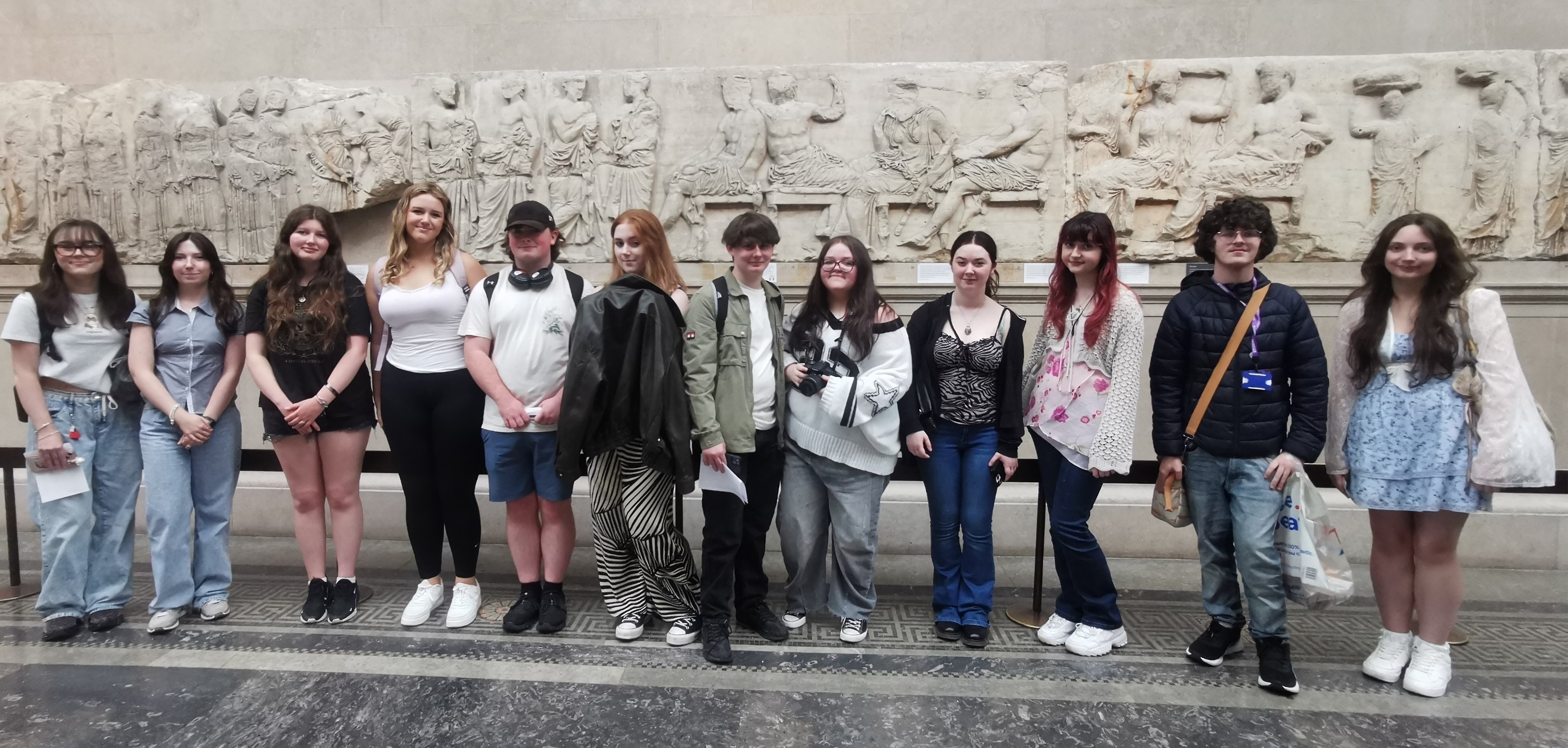
At Carmel College in St Helens, Classical Civilisation was introduced as a new subject to broaden the curriculum and raise aspirations among students, many of whom arrive having underperformed at GCSE and lacking confidence in their academic potential.
Within a short period, the subject has had a significant impact. Students report increased confidence, curiosity and engagement, and the department has grown rapidly through student demand. Crucially, more than half of recent cohorts are now planning to continue studying Classics or related subjects at university, including students who had not previously considered this option.
Alongside this, students are developing skills such as critical thinking, debate and cultural understanding, supporting both further study and wider life beyond the classroom.
These outcomes do not suggest that Classics alone can address the complex challenges set out in the report. But they do demonstrate how access to new subjects and experiences can help rebuild confidence, broaden horizons and support progression.
A shared responsibility
The Inquiry is clear that improving outcomes for white working class pupils will require sustained, collective effort across schools, colleges, families, employers and policymakers. There is no single intervention that will resolve these challenges.
However, the report also makes clear that the current system must do more to ensure that all young people feel that education is relevant, accessible and worthwhile.
Expanding access to subjects like Classics is one part of this wider picture. By opening up opportunities to engage with new ideas, cultures and forms of learning, schools can help young people develop the confidence, curiosity and sense of possibility that underpin long-term success.
At Classics for All, we see this every day in the work of the schools and teachers we support. It is not about presenting Classics as a solution in itself, but about recognising the role that a broad, culturally rich education can play in helping more young people feel that education is for them.