
Genshin Impact is an immensely popular role-playing game published in 2020, in which the player assumes the role of a traveller looking for their lost sibling. The game takes place on the fictional continent of Teyvat, home to seven nations. While different parts of the world differ in terms of aesthetic and cultural references, Ancient Greek cultural references are important, especially in the storylines set in the Enkanomiya region (literally means ‘the palace under the abyss’).
In this article, the author will presume the role of an inhabitant in Enkanomiya, to introduce the classical Greek reception within the history of the Enkanomiya region.
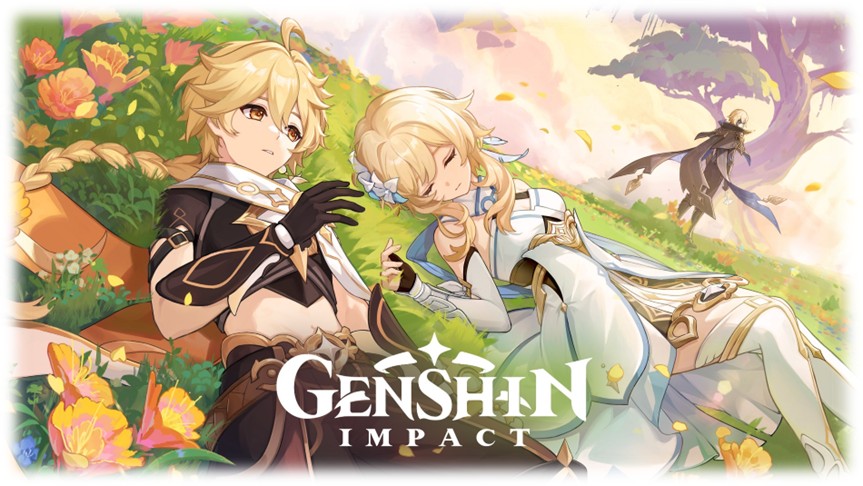
(Figure 1: A screenshot of Genshin Impact)
Welcome to Enkanomiya, our sweet home for centuries. Our region is a subterranean civilisation with sophisticated technology and culture. According to Before Sun and Moon, our sacred chronicle, we are the survivors of a global catastrophe which (thousands of years ago) destroyed our previous society—a society which hugely surpassed our current achievements. Our previous civilisation was called Delphi, which is also the old name of an area within Enkanomiya, and I will introduce this in detail with you later on.
While our ancestors successfully sought refuge in the dark underground, enjoying its protection, new challenges also appeared quickly, including an inhospitable environment and the threat of Dragonheirs, the Abyssal Dragons. These creatures were predators thriving in darkness, further threatening the survival of our predecessors. As they were used to the mysterious environment, and strong enough for their physical power, our new society was again plunged into an emergency.
Facing the devastating moment, the sage Abrax, one of our prominent figures, devised a solution to these challenges. He proposed the construction of ‘Helios’, a massive luminous device capable of alternating between light and darkness to counter the Dragonheirs. The implementation of this innovation not only ensured the community’s survival but also symbolised humanity’s resilience and ingenuity in the face of divine adversity. When we showered the light from Helios on the soil of Enkanomiya, we finally had a feeling of living within a safe environment after ages of catastrophe.
However, the light could not solve all problems within our civilisation, as our societal structure began to deteriorate as internal power struggles emerged. While Helios provided safety from external threats, it ignited internal tensions within the aristocracy. The ruling elite, motivated by greed and ambition, imprisoned Abrax and established an authoritarian regime under the guise of a theocracy. They introduced the “Sunchildren” (Phaethon), a group of child rulers named after the sons of Apollo (for example, Ion, Ismenus, Orpheus, Lycorus, Aristaeus and Asclepi), as figureheads for their oligarchic control. Each generation of Sunchildren was subjected to a ritual sacrifice to Helios upon reaching the age of ten, perpetuating a cycle of exploitation and oppression. Those children, each with talents and skills, were too young to enjoy life offered to their age-group and too young to be forced to face their tragic destinies. That was a time of struggles and tortures.
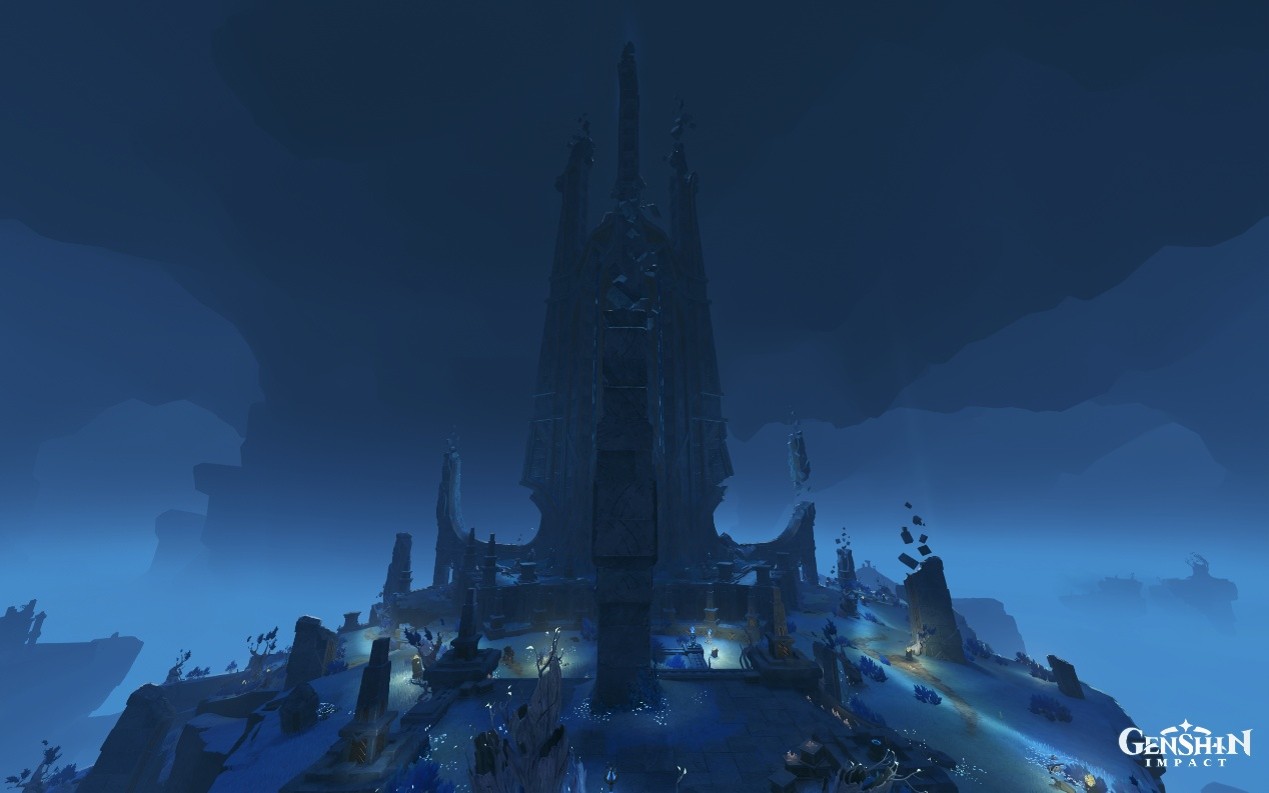
(Figure 2. A screenshot of the scenery in Enkanomiya, which represents Helios)
The oppressive rule of the Sunchildren was overthrown with the arrival of Orobaxi/Orobashi, a serpent deity seeking refuge in Enkanomiya. Revered as a saviour similar to us, Orobaxi’s appearance (a serpent resembling dragon-like figures) is connected with our spiritual beliefs of an imagined serpent deity. The appearance and etymology of Orobashi/Orobaxi are drawn from several traditions. Orobaxi comes from the word Orobas, a demon from the Ars Goetia (part of the seventeenth-century European mystic publication The Lesser Key of Solomon, or in Latin: Lemegeton Clavicula Salomonis), and Orobashi comes from Yamata no Orochi (In Japanese it literally means ‘Eight-Forked Serpent’, a colossal serpent from Japanese folklore). Therefore, it symbolises a synthesis of mythological traditions. Furthermore, the appearance and etymology of Orobaxi integrates the Greek concept of ‘Ouroboros’ (a serpent eating its tail, representing eternity, as we can see in Figure 4).
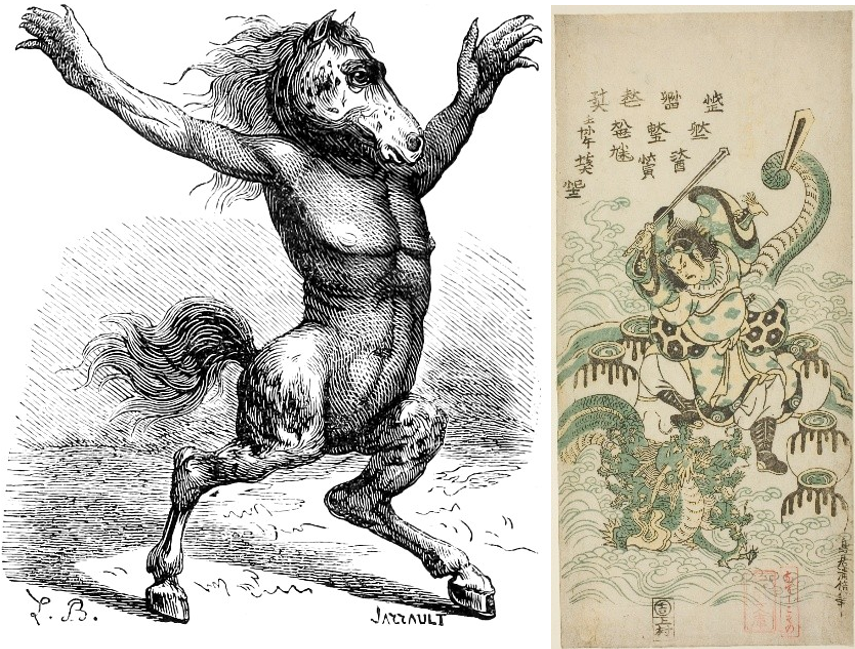
(Figure 3. The left woodcut (Plancy, 1863) portrayed Orobas, the demon in the shape of a mixture of a stallion and a human, and the right drawing (Kiyomasu II, 1748) depicts Yamata no Orochi was slain by Susanoo, the so-called ancestor of the Japanese imperial families in Japanese myths)
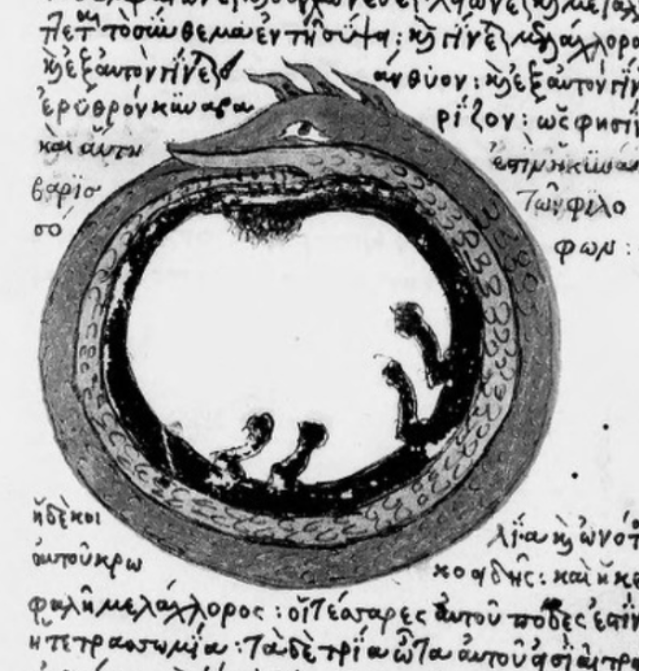
(Figure 4. An Ouroboros in a medieval Greek alchemical manuscript (Bibliothèque Nationale de France (2021), scribed by Theodoros Pelecanos of Corfu in 1478)
Locations in Enkanomiya were also named with the signifiers related to serpents. For example, ‘Delphi’ was initially used to describe a mystical space in Enkanomiya (‘The Serpent’s Heart’ in Figure 5). According to the medieval Byzantine encyclopaedia, the Suda, ‘Delphi’ is the place where Apollo killed the female serpent Delphyne. Therefore, this particular term evokes the Greek oracle site and its links with Apollo and Delphyne, symbolising the cyclical battle between light and darkness.
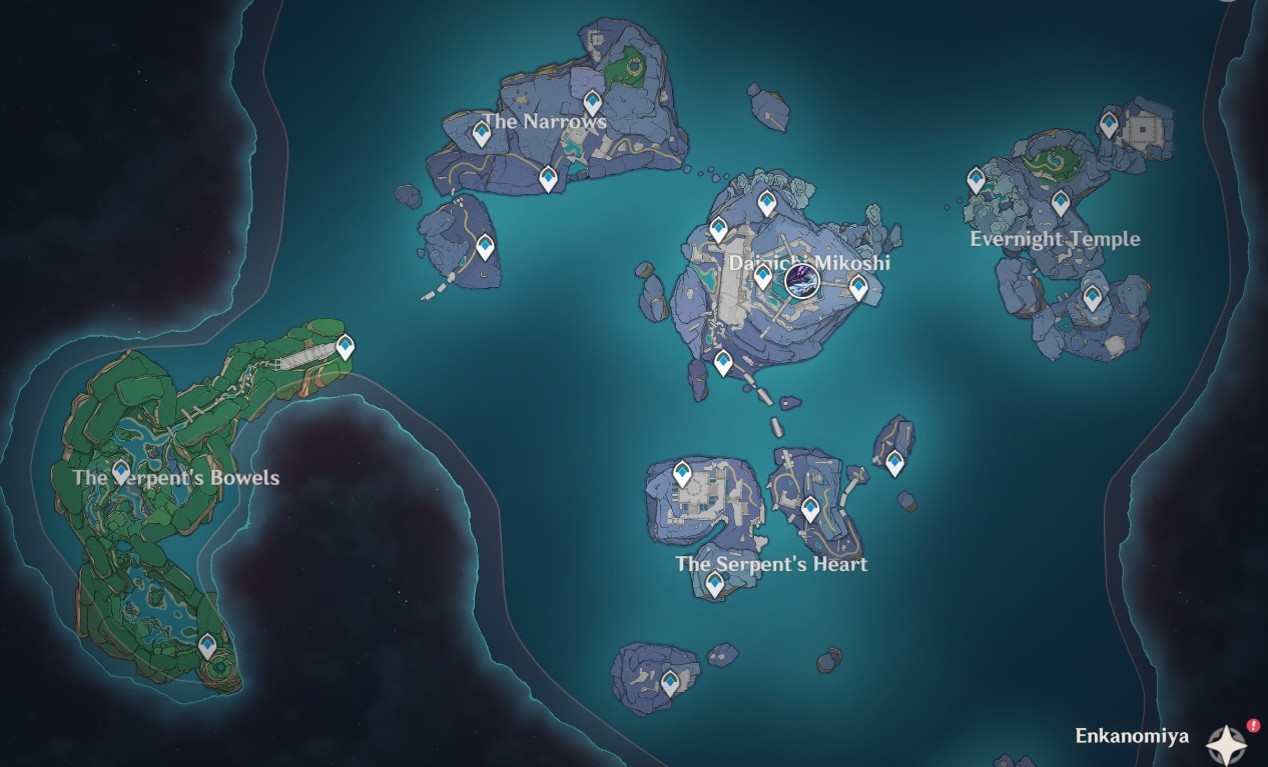
(Figure 5. The map of Enkanomiya in Genshin Impact, please pay attention to the area called ‘The Serpent’s Heart’)
Under Orobaxi’s leadership, our country entered a golden age, marked by socio-political reform and religious renewal. However, Orobashi’s discovery of the true reason for the civilisation’s exile (a divine punishment from the celestial gods) provoked wrath from the sky. To protect its followers, Orobashi implemented sweeping measures to erase traces of our past. Historical records were destroyed, and society underwent a comprehensive cultural transformation to align with the traditions of Inazuma, the nation located on the surface of our country which represented Japanese culture. For instance, Helios was renamed Dainichi Mikoshi (In Japanese it means ‘sacred palanquin of the Great Sun’), reflecting the Shinto-inspired cultures in Inazuma, while Abrax was renamed Aberaku). Orobashi also fused its divine bloodline with the Abyssal Dragons, creating the lineage of the ‘Divine Priestess’ to lead our civilisation when we migrate to living together with people in Inazuma. This lineage ensured that our future leaders could inherit divine power to protect us, combining the serpent’s mythological legacy with practical governance.
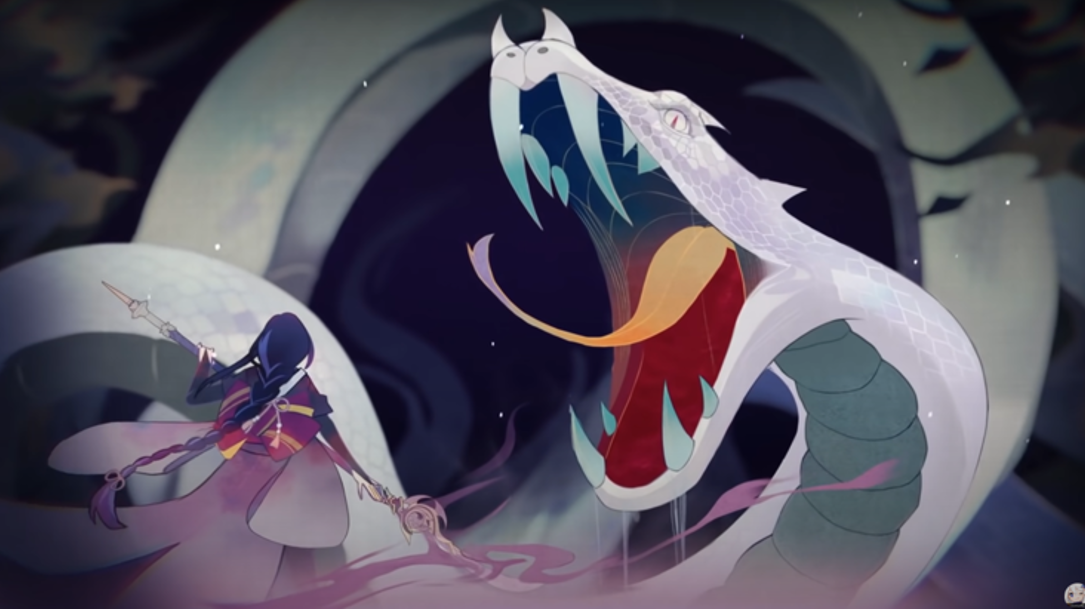
(Figure 6. The screenshot (Genshin Impact, 2021) shows the battle between Orobashi and Raiden Ei)
In its final act of leadership, Orobashi relocated us to the surface, establishing the Watatsumi Island as our new home. To ensure their safety, Orobashi sealed the entrance to Enkanomiya and negotiated a pact with Raiden Ei, the Shogun/superior leader of Inazuma and an earthly representative of the celestial gods. This agreement, secured through Orobashi’s self-sacrifice, ensured that the celestial gods would not interfere with us. Over centuries, the legacy of Enkanomiya faded into obscurity, its history preserved only in fragmented myths and the shadows of our old ancestors were still haunting the underground.
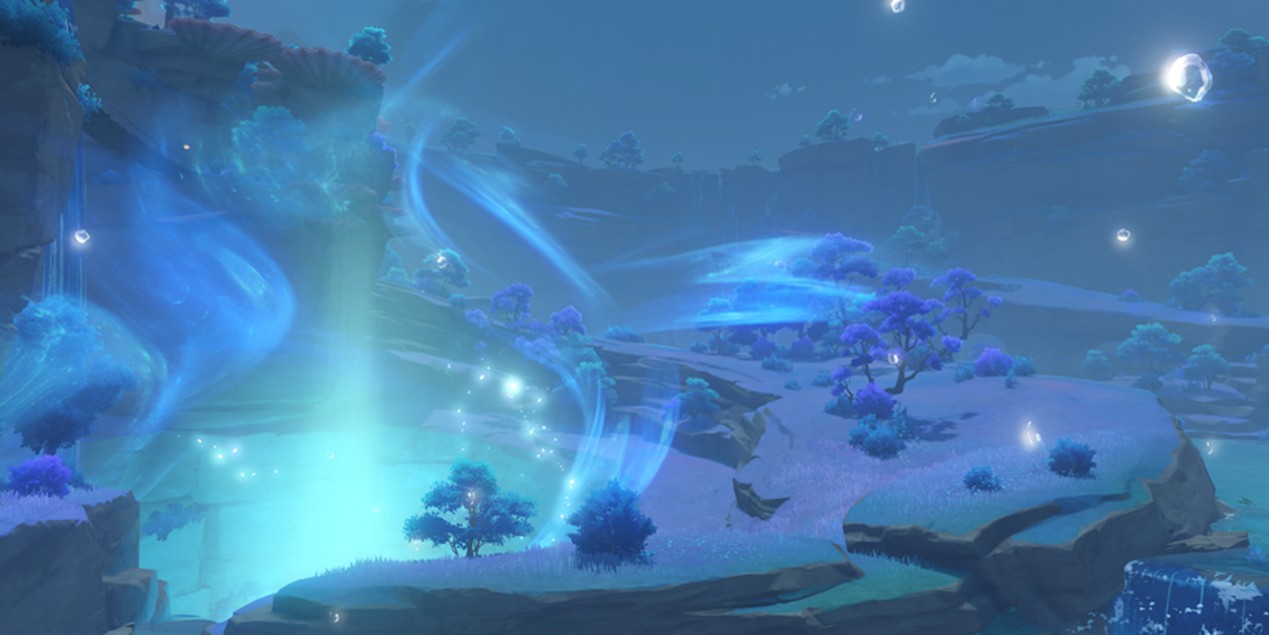
(Figure 7. The entrance of Enkanomiya is under the water at present)
When you enter the Enkanomiya region at present, you are guided to navigate a series of missions that could interact with the ghosts of inhabitants in Enkanomiya, such as Aberaku or the Phaethons. Those ghosts are in the shape of a blurred human without clear gender, age or outfit characters, allowing the players use their imagination to devise their appearance.
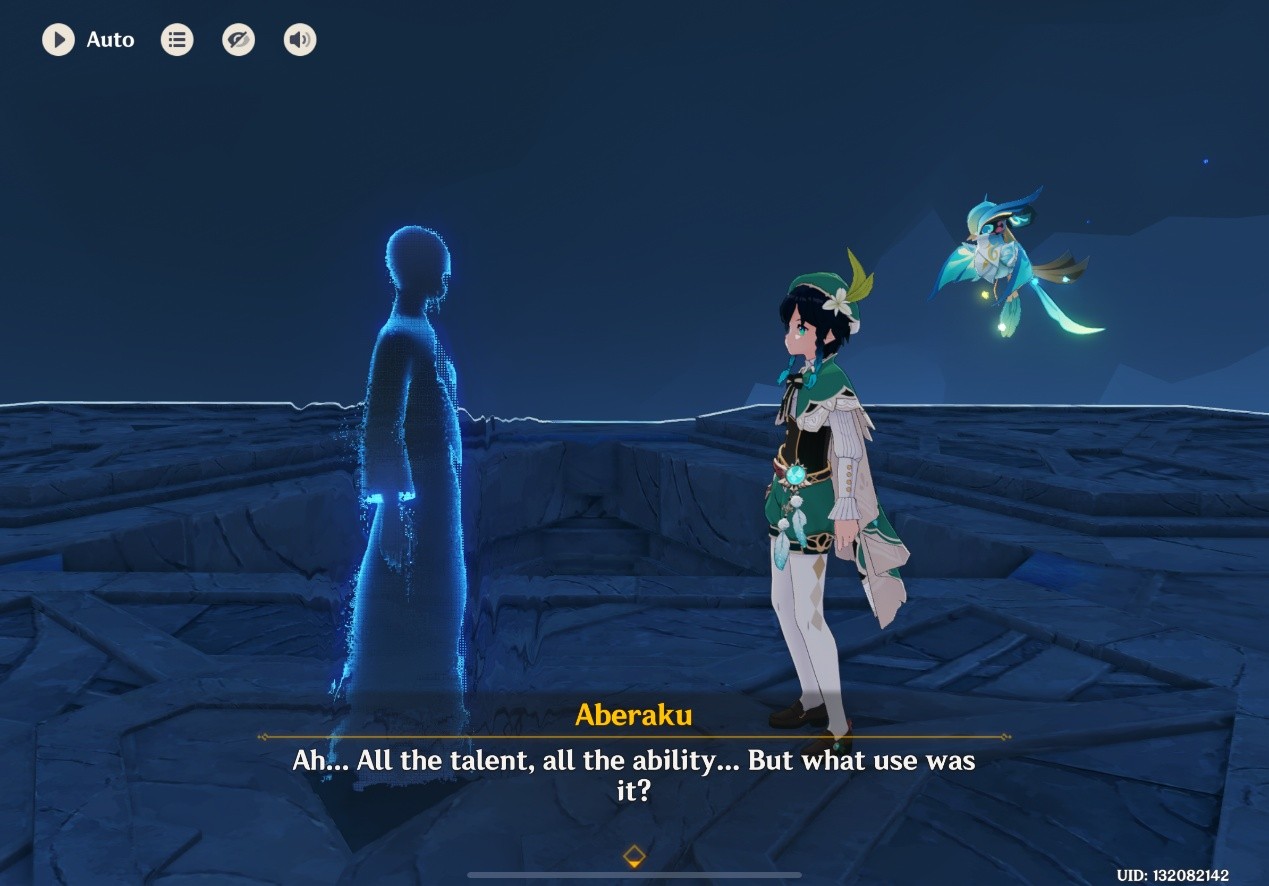
(Figure 8. The screenshot of the discussion between the player and the ghost of Aberaku/Abrax, who is lamenting his talents wasted by the court conspiracies)
When you are travelling in Enkanomiya and collecting the items, you are very welcomed to finish some achievements and receive the rewards. The names of those achievements are exciting: the two achievements ‘Hesperus’ Boons’ and ‘Phosphoros’ Guidance’ resonate with the Greek god of the planet Venus, while Phosphoros represent Venus in the morning, and Hesperus represents Venus in the evening. The achievement ‘Kairos’ Constancy’ is related to the time trial challenges in Enkanomiya: this derives from Kairos in Ancient Greek and so literally means ‘the right or critical moment’.
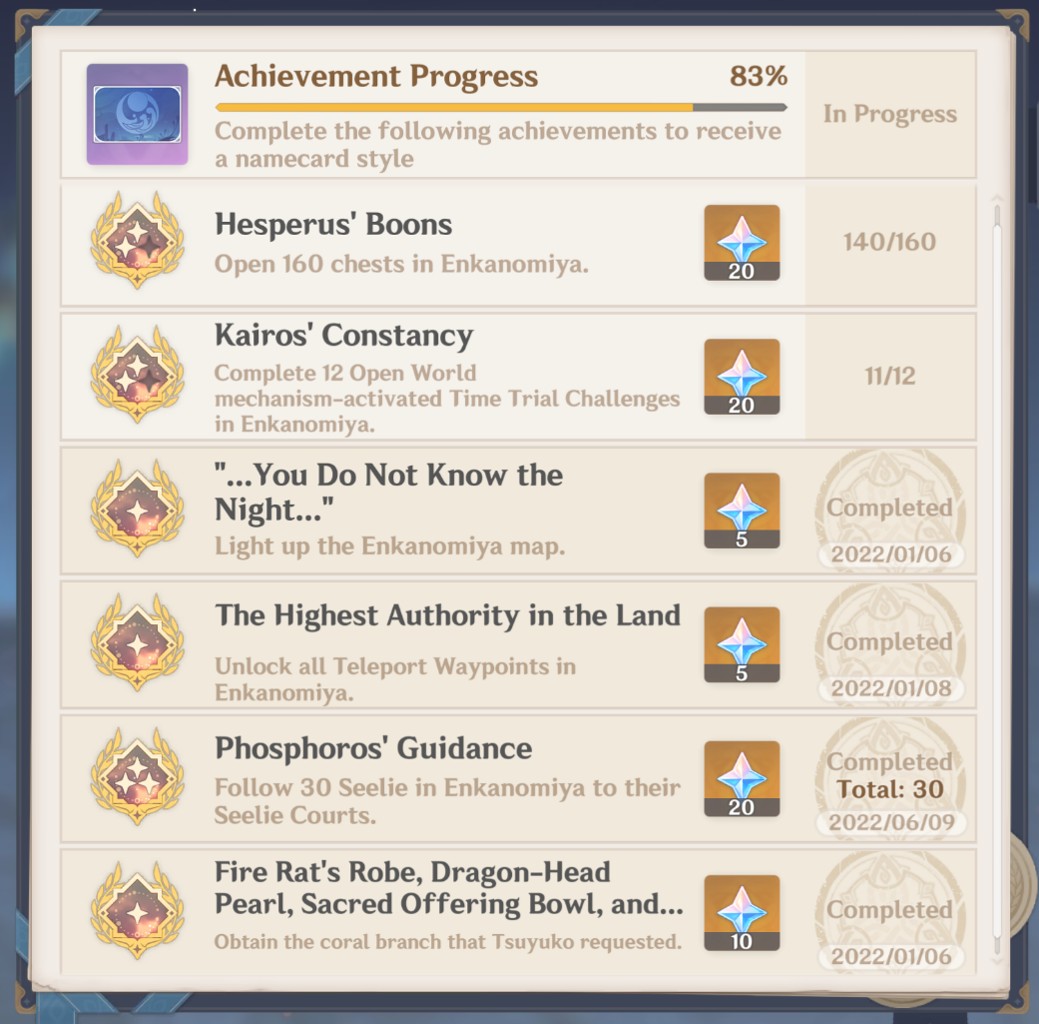
(Figure 9. The screenshot of different achievements in Enkanomiya)
Additionally, Before Sun and Moon incorporates Greek mythological references, such as the allegory of the cave from Plato’s Republic and the lotus-eaters from Homer’s Odyssey, readers can find the whole two fables in Figure 6. The allegory of the cave reflects the epistemological struggles of people in Enkanomiya, as Abrax’s imprisonment parallels the philosopher’s challenge of exposing hidden truths. Although Abrax brought physical lights to all of us, he did not illuminate the spiritual lights within our hearts, especially for the corrupted aristocrats. Similarly, the reference to the lotus-eaters metaphorically illustrates how we were influenced by their environment, losing sight of their original identity. Like the chronicle said, for us as the survivors of a once-prosperous society, who found another shelter after meeting numerous obstacles: ‘Life is a boundless ocean of suffering. We are only searching for the way home.’ We might also need to search for the way back home forever.
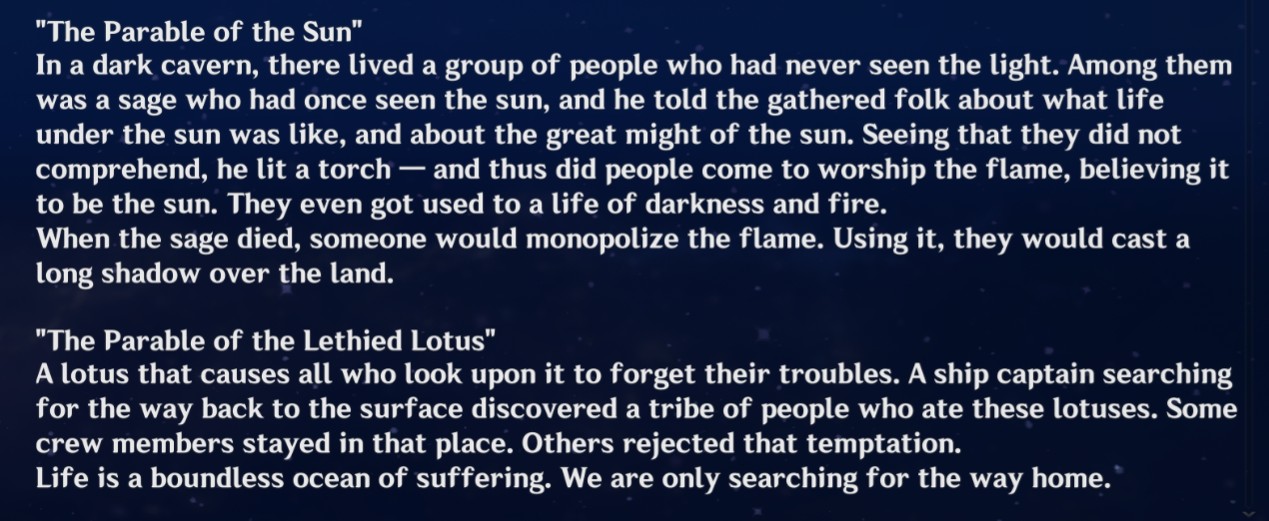
(Figure 10. The two parables in Before Sun and Moon. In these two paragraphs, the titles of the two Greek fables have been paraphrased to attach the game’s plot)
The Enkanomiya storyline in Genshin Impact presents a compelling case study in transcultural narrative construction and mythological synthesis, especially for classical Greek reception. By integrating elements of Greek and Japanese mythology alongside biblical references, it navigates the complexities of globalised cultural exchange. Narration elements such as Before Sun and Moon enrich the cultural background and provide a deep dive experience for players to enjoy Greek mythology in a dramatic and inspiring way. I hope you too will have pleasure and learn a lot if you travel to Enkanomiya after reading this small introduction.
Hanjun Shi is a PhD student at the University of the Arts London, specialising in the study of classical and medieval receptions in digital games, especially in the game Genshin Impact. Previously, they presented several research papers on Pentiment and Genshin Impact during the Digital Games Research Association conference in 2024, the Gacha Con conference and the Classical Association Conference in 2026.