
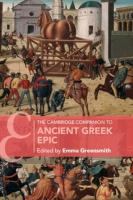
CUP (2024) p/b 547pp £29 (ISBN 9781009087377)
This book is one of the latest in this popular series, now exceeding 400 titles, designed to introduce international literature themes and prominent literary figures to a student audience. Themes from classical literature have previously featured in this series 12 times as have 10 individual classical language authors.
The theme for this volume is Greek epic poetry dating from the 8th-6th C BC, with the requirement that the texts incorporated in the study are written in Greek, are generally lengthy, are consistently composed in dactylic hexameters and deal with enhanced themes (although some parodies and smaller units—epyllion—are also included). In passing it is worth noting that this an extraordinary length of time for a literary genre to survive and even to flourish. If we substitute Shakespeare for Homer no one today is writing blank verse drama in iambic hexameters, and sonnets only surface as entries in literary competitions.
G., who is currently an Associate Professor of Classical Languages and Literature at Oxford and who has previously published extensively on this topic, was appointed Editor of this project and has assembled a group of 21 contributors drawn from universities in the UK (11), the rest of Europe (6) and USA (5). Their contributions are split between 6 parts of the book, the logic of which is explained in her introduction.
Part 1 explores the interface of the genre with other traditions and other literary genres (e.g. lyric and didactic verse); Part 2 explores how the genre uses different space/locations for its narratives (including supernatural space); Part 3 provides a similar analysis for the use of time; Part 4 deals with the social environment—the use of sacrifice, the role of women and slaves; Part 5 deals with the emotional texture of the stories—rage, lust, ambition, humour; Part 6 deals with those who have used the genre—‘reception’—for education, the early Christian church, barrack room lawyers to debate discrepancies, modern nation building (Greece and Turkey) and of course other authors for inspiration, latterly for cinematic productions.
This analysis is supported by an invaluable Timeline which attributes the main texts quoted in the individual contributions to their century of origin; an essential Index locorum which identifies the location of each direct quotation; a 55-page bibliography, a 10-page subject index and 15 rather unimportant illustrations.
This is generally a pretty dense read and many of the contributors assume that the reader already has a working acquaintance with the hinterland of the topic; occasionally the jargon grates. It was disturbing to find that ‘this racing of Greek and Roman heroes’ refers not to their athleticism but to their propensity to display racial prejudice. The style of much of the text would require the student at which this CUP series is aimed to be at postgraduate level.
The Index locorum indicates that Homer and Hesiod provide most of the analysis—quotations from these two authors aggregate to almost the same total as those from all the other sources put together.
There are nevertheless some passages which will resonate with the less academic reader:
- the early section on the links with the great Mesopotamian epics—Gilgamesh was not only recited but recorded in cuneiform long before the Homeric epics first gained popularity;
- the description of life in the underworld;
- the very bleak section on the occasionally abusive treatment accorded to those killed in battle—which the contributor attributes to racist prejudices;
- the pull of nostalgia—the urge to return to a time when men were real men and families were real families (nostos), compared with the need to obtain kleos—through which your life and deeds would be remembered and admired after your death. Achilles in his tent mourning Patroclus and Odysseus pleasuring Circe or Calypso were foregoing the opportunities for gaining kleos during their life. Given the dire experience they could expect from life after death, who can be surprised at their decisions to move on? The restlessness of Ulysses in Tennyson’s great poem becomes much more understandable.
- how and why the Christian church sought to hi-jack the Homeric formula.
Others must judge its significance in the academic world of Greek epic, but it is reasonable to hope that the breadth and originality of its analysis will inform and inspire all those who are active in this field.
Roger Barnes